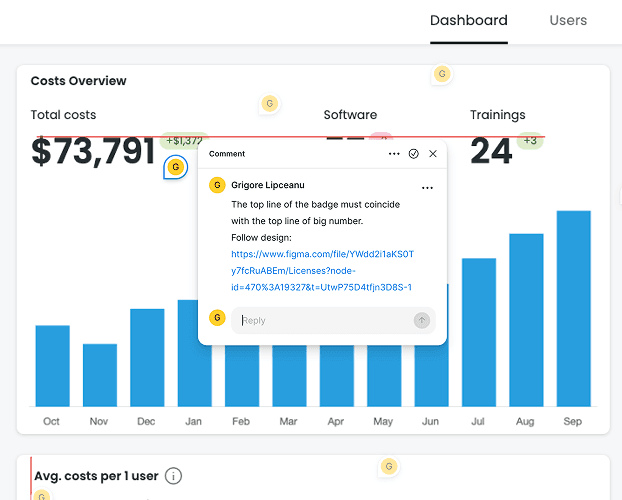
Overview
The goal of this project was to design a web application that simplifies and standardizes license management across the company. At that time, the lack of unified processes for managing licenses and limited visibility into their usage led to inefficiencies and prevented optimal resource allocation.
Outcome
Employees Impacted
Estimated administrative effort savings
Potential Increase in License Utilization
The project resulted in a cohesive, scalable design solution that streamlined license management processes, improved transparency, and created the foundation for more efficient resource allocation across the company.
Role
Grigore worked as the Lead Designer, directly designing the core parts of the application while also defining key solutions and coordinating the work of 3 designers (Nicolae Morozov, Dorin Bicherschi and Tatiana Ungureanu) to ensure overall design quality and consistency.
Process
Analyzed license management processes and identified inefficiencies
Defined application users, roles, and actions
Created user flows
Conducted competitive analysis
Defined content and data spects
Designed low-fidelity wireframes
Built a design system from scratch
Designed hi-fidelity wireframes
Handed off designs to development and provided design QA
01. Discovery & analysis
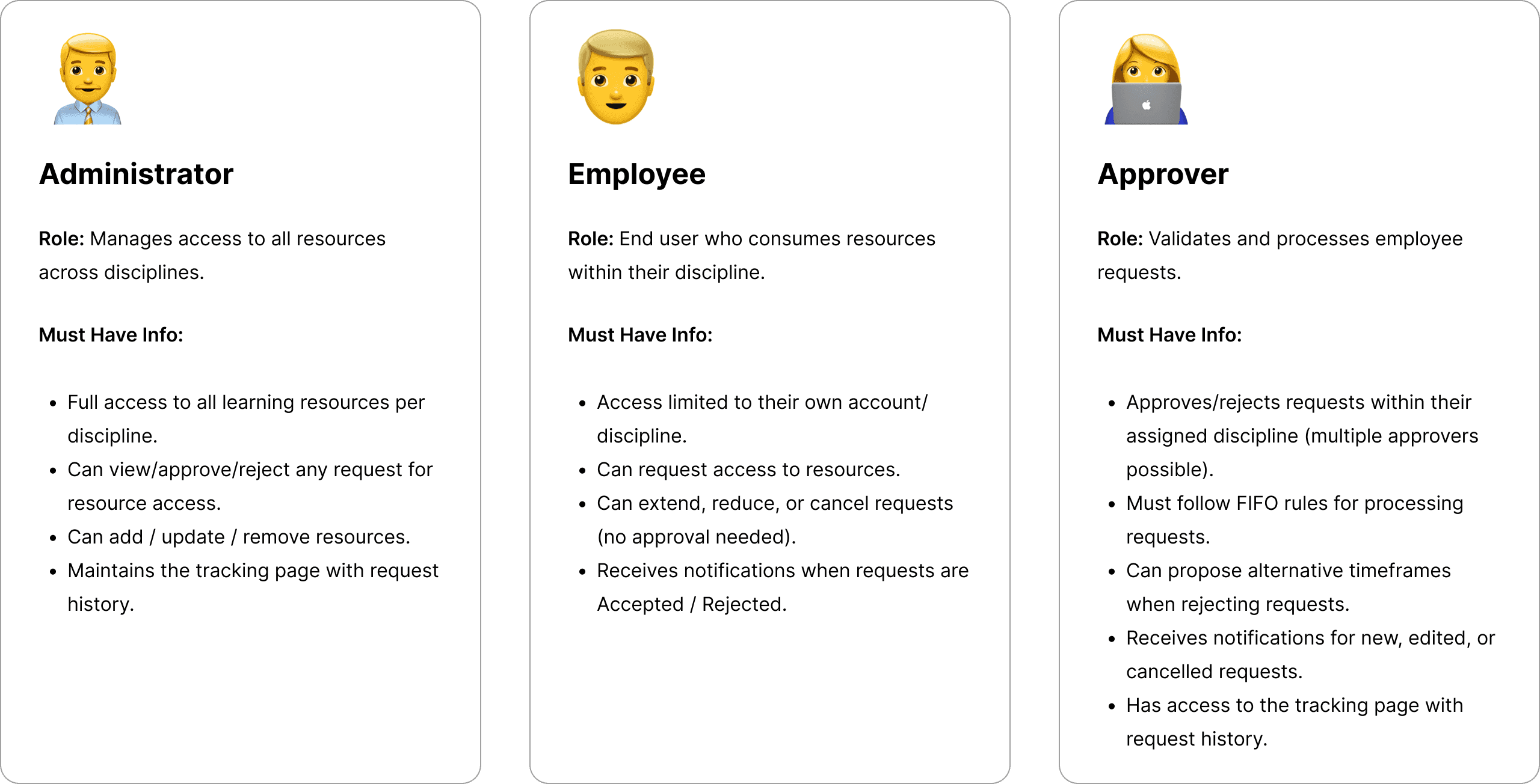
Grigore analyzed the current license management practices by interviewing employees responsible for procurement and renewals. The research revealed differences in procedures depending on software and license types, as well as a lack of monitoring of usage efficiency. Together with the project manager, he defined the application users, their roles, rights, and responsibilities.
02. User flows
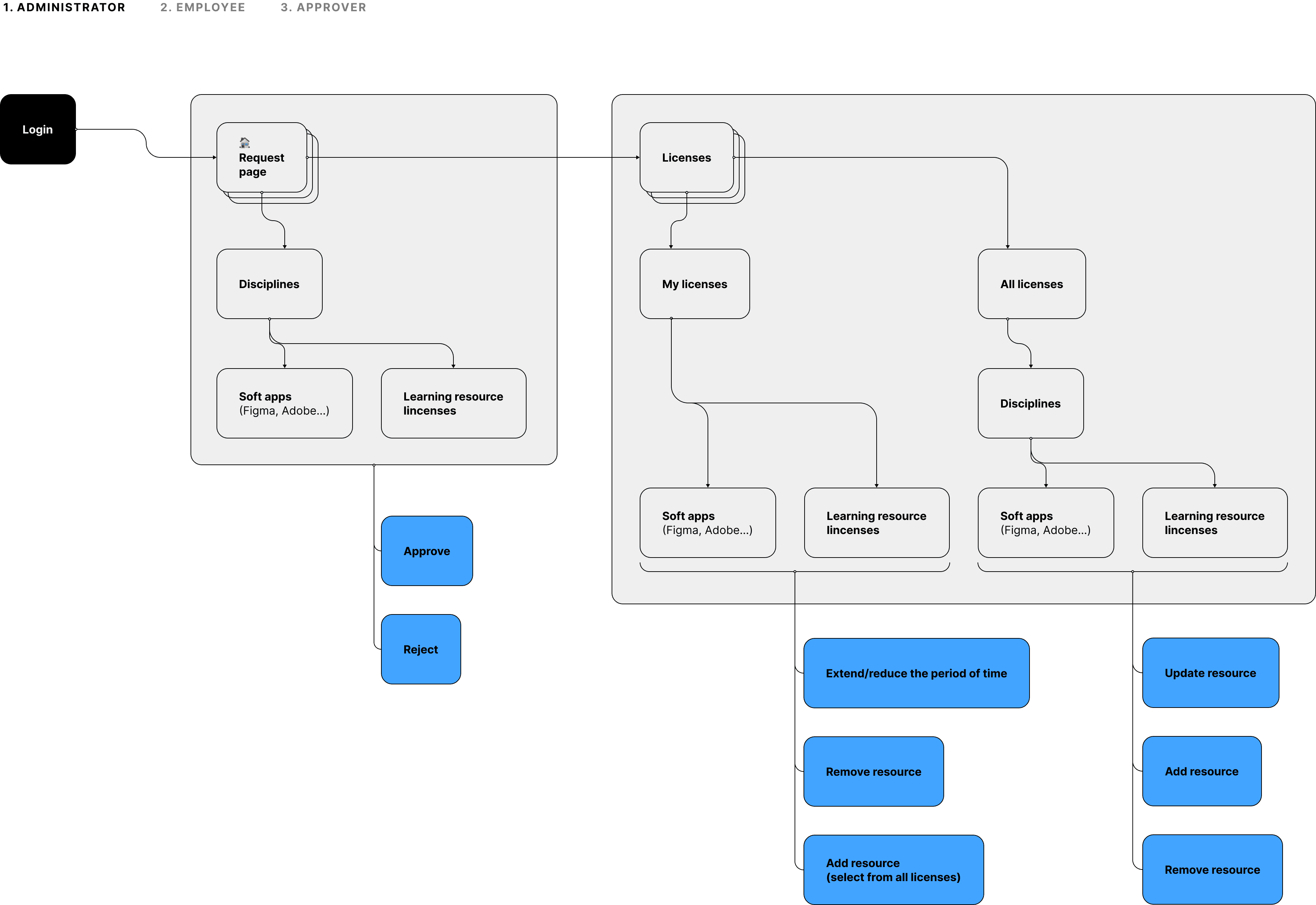
User flows were created and validated, reflecting the specific access rights and responsibilities of each role.
03. Competitive analysis
An analysis of similar online services was conducted, with a comparative list of strengths and weaknesses compiled. As a result, the idea of creating a dedicated dashboard page for visualizing the overall picture emerged.



04. Content
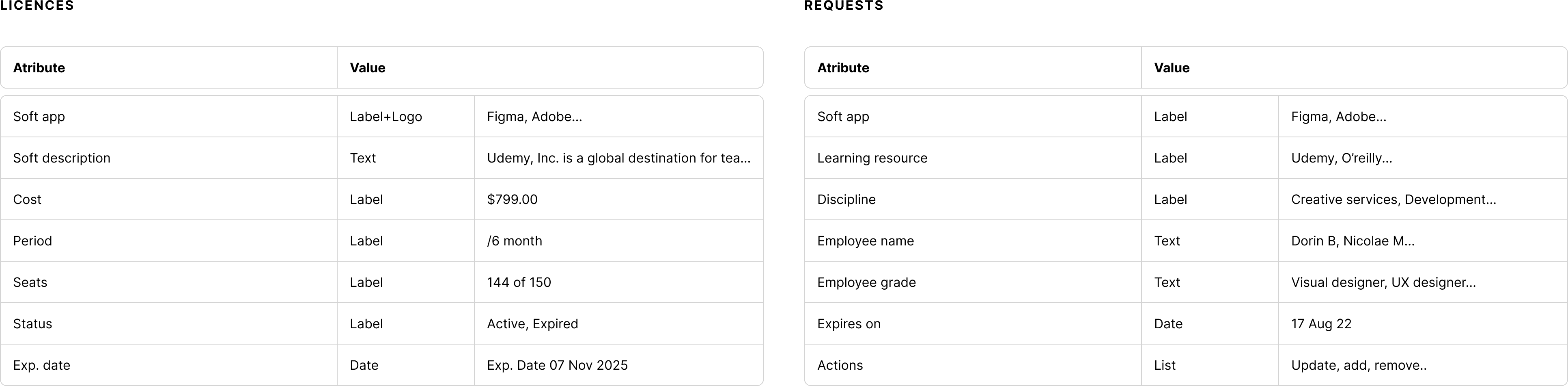
The content was defined and approved. Key input data was organized in a table to clarify which attributes should be displayed and in what format.
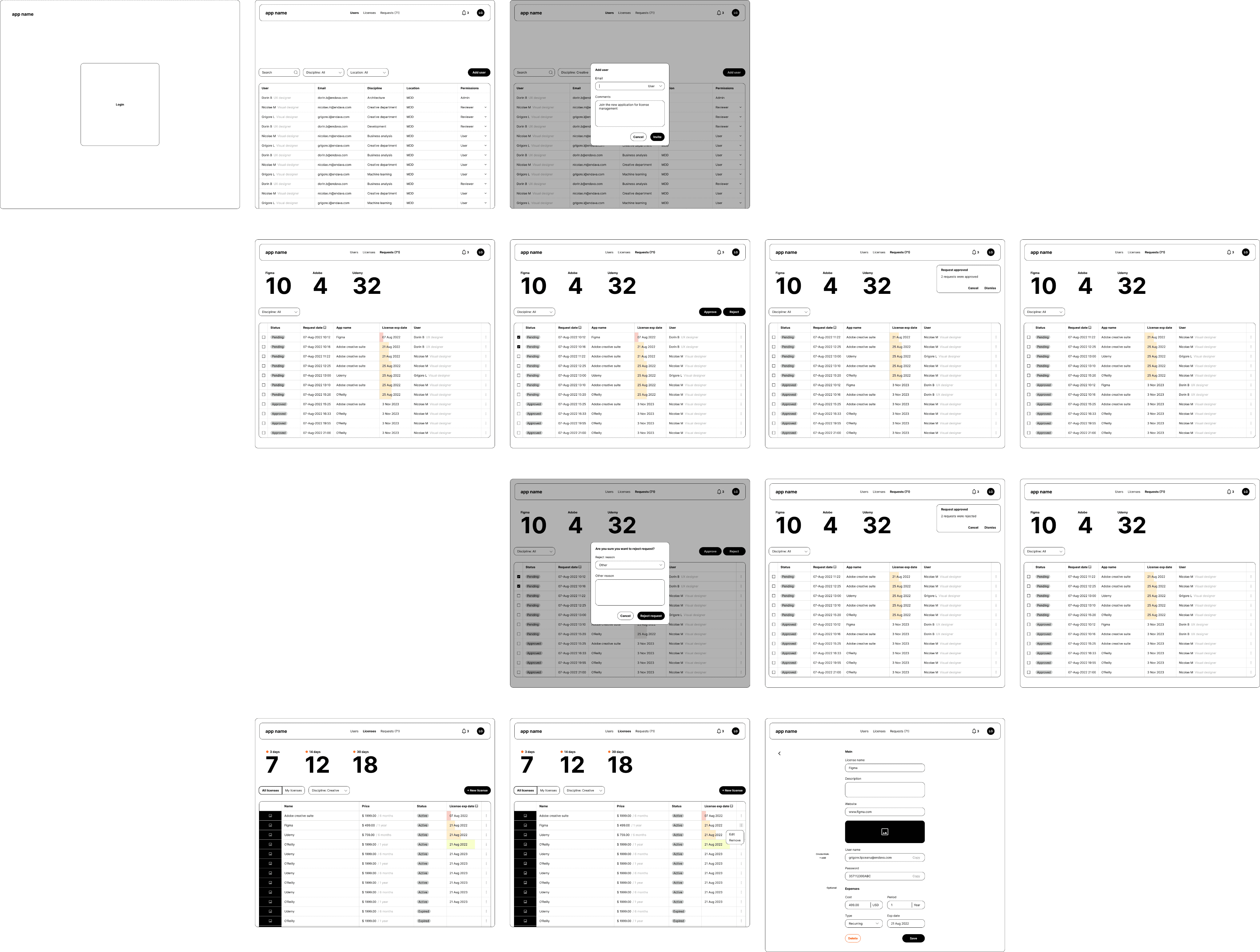
05. Lo-fi wireframes
Based on the user flow and the defined content, the first lo-fi wireframes were designed.
06. Design system
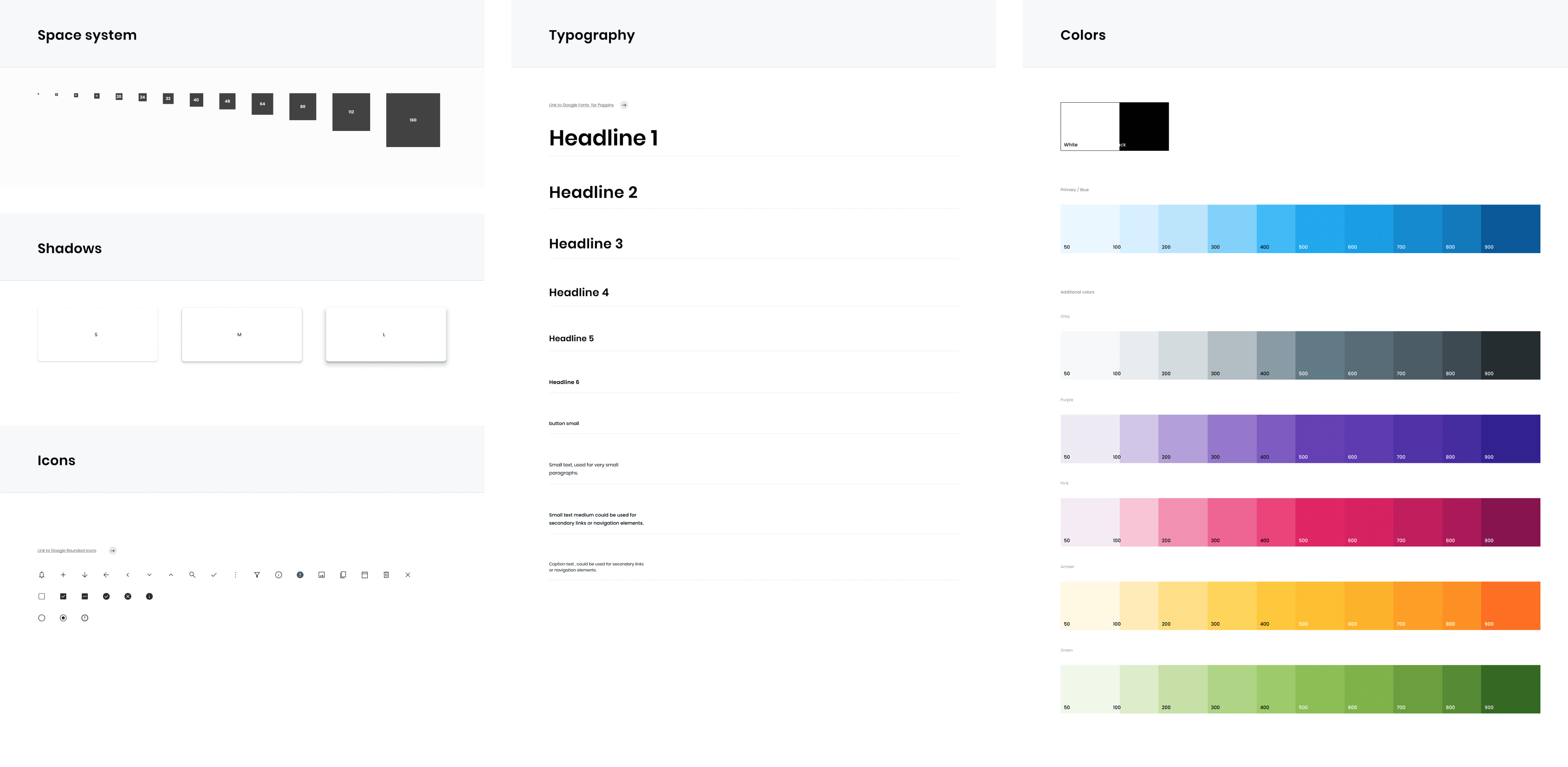
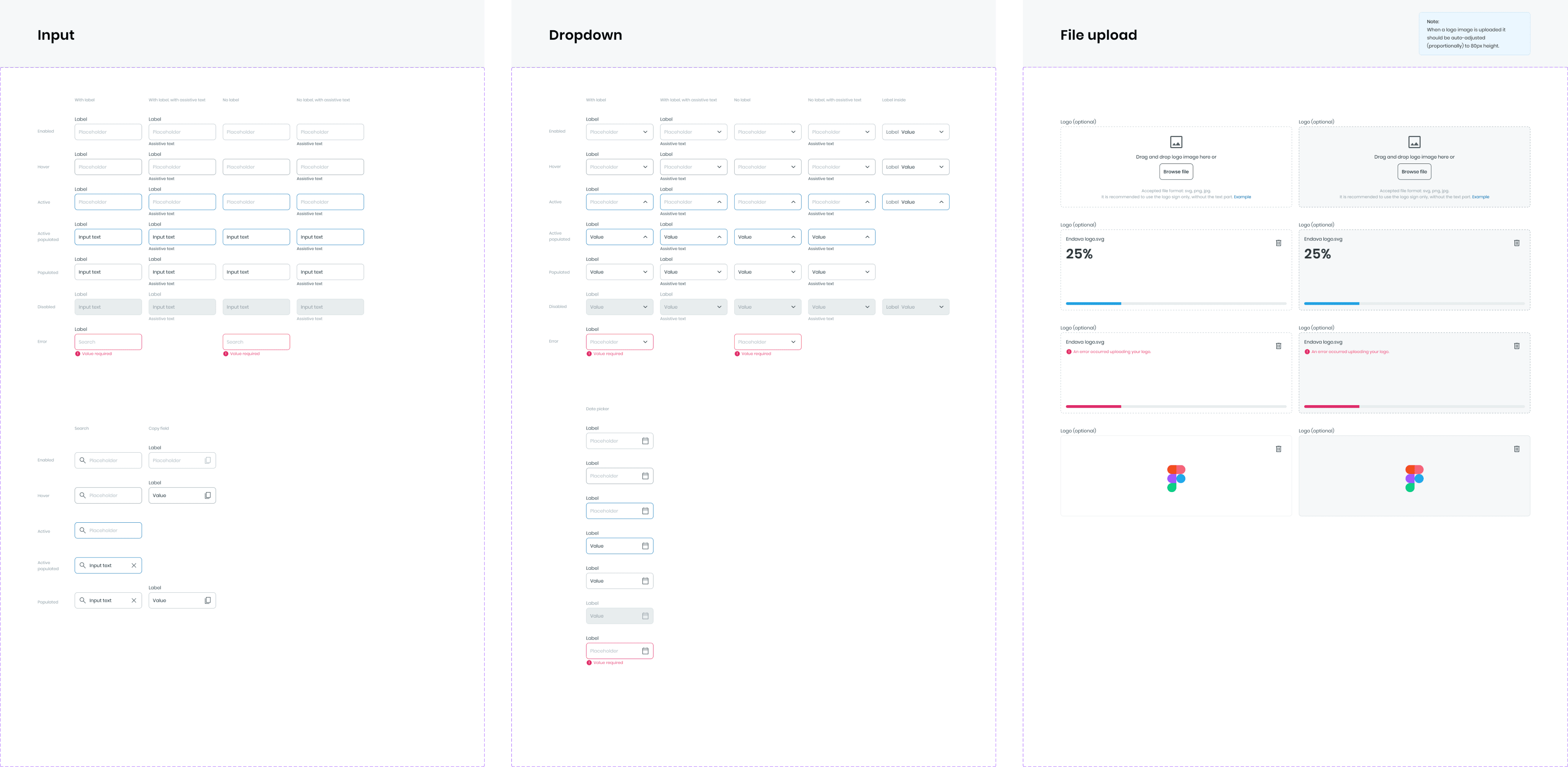
During the work on the lo-fi wireframes, a set of necessary key components and styles was determined, which formed the basis of the design system. It was built entirely from scratch in parallel with the interface.
07. Hi-fi designs
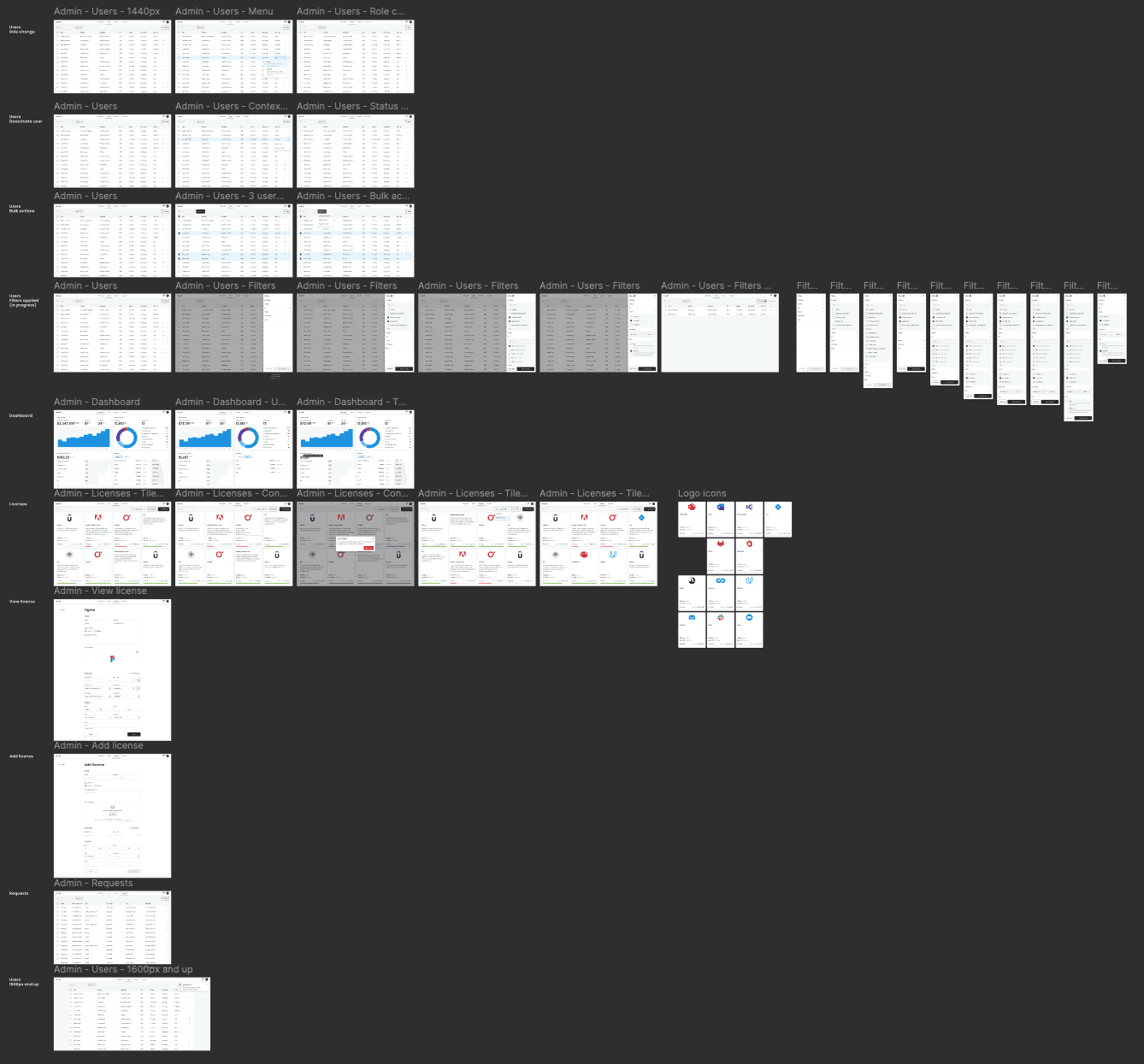
A dashboard was created as the homepage, providing an at-a-glance overview of license usage and key metrics.

A licenses page was designed, showing cost, number of seats, and expiration date. On the detailed page, parameters could be edited, and through the “Add” function, new licenses could be created.


A user management page was designed, allowing role assignments and identification of inactive accounts.


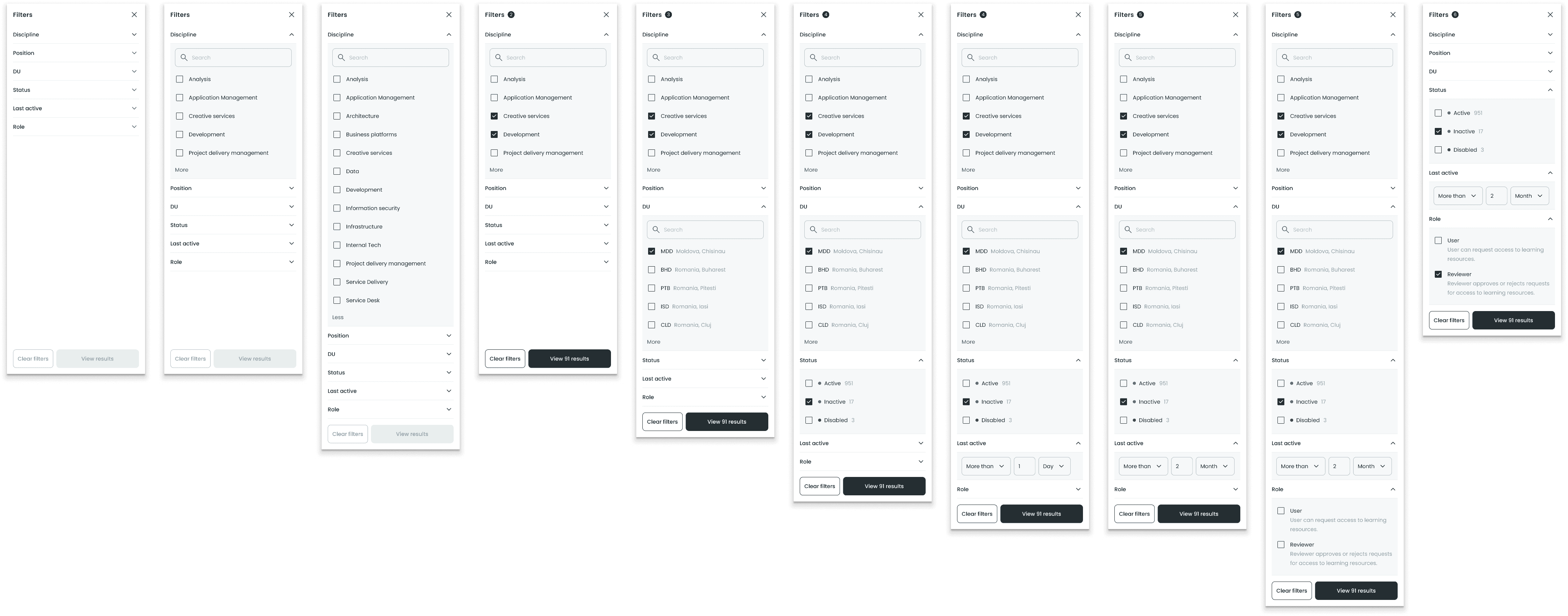
The user flow deliverables consisted of 10 user flows, 27 screens, and 10 filter states.
08. Design QA
After implementation and testing, Grigore provided design QA, identifying and resolving inconsistencies. He emphasizes that a designer’s role does not conclude with the handoff of mockups, true design ownership continues into development to ensure the final product aligns with the original vision and delivers a high-quality user experience.